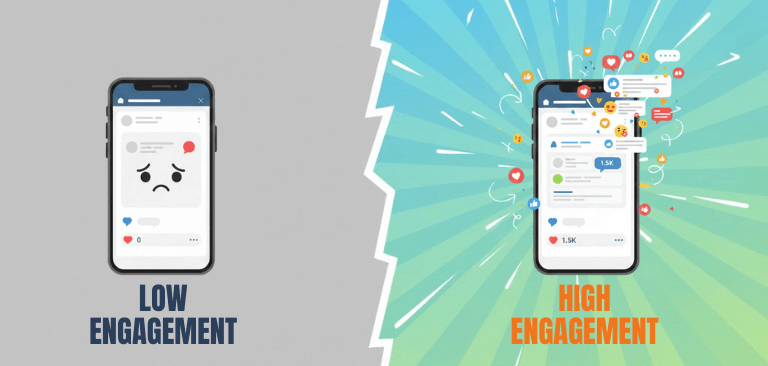
Many businesses try social media marketing, hoping it will bring in customers, but often they see very little engagement. Low likes, few comments, and almost no leads can make any business owner feel stuck. This is a common challenge, and understanding it is the first step toward real improvement.
Over the years, companies that focus on the right strategies and understand their audience see steady growth.
In this guide, we will show you why low engagement happens and what practical steps you can take to change it. You’ll gain clear insights into how social media can start working for your business instead of feeling like a waste of time.
We will cover why one social media approach doesn’t fit all businesses, how to choose the right platforms, and why different industries need tailored strategies. Along the way, you’ll find simple examples to help you apply these lessons to your own business confidently.
By the end, you’ll understand how to increase engagement and turn interactions into meaningful leads. With the right approach, social media can become a reliable tool to grow your business, and you’ll feel confident taking the first steps.
Low Engagement Is a Serious Business Problem
Low engagement on social media is more than just a numbers issue. When posts get few likes, comments, or shares, it often means your message isn’t reaching the right audience or connecting with them. Over time, this can slow your growth and make it harder to attract new leads.
Ignoring engagement can have real consequences. For example, if a startup posts daily but nobody interacts, it’s difficult to know whether your content is working. Without engagement, even the best product or service may stay unnoticed. Social media is not just about posting—it’s about creating conversations and building trust with potential customers.
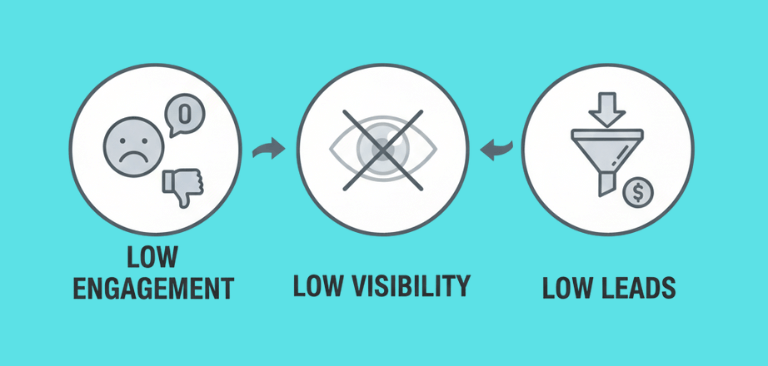
Many companies don’t realize that low engagement affects their overall marketing strategy. Without interaction, algorithms on platforms like Facebook, Instagram, or LinkedIn may show your content to fewer people. This creates a cycle where low visibility leads to low engagement, and low engagement keeps your reach limited.
Small changes can make a big difference. By understanding the reasons behind low engagement and applying practical solutions, businesses can start attracting attention and generating more leads. Even simple steps, like posting at the right time or focusing on audience interests, can improve results steadily.
Why Most Companies Get No Leads from Social Media
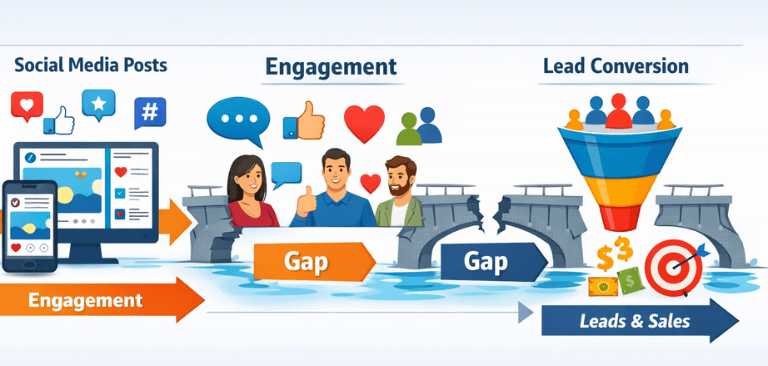
It’s common to see businesses spending time and money on social media, yet getting very few leads. One main reason is that engagement alone does not guarantee business growth. Likes and comments are useful, but without a clear strategy to convert those interactions into leads, social media efforts can go to waste.
Another reason is unclear goals. Some companies post content without knowing who their audience is or what action they want them to take. Without this clarity, even good content may not attract the right people. A clear social media strategy helps ensure that every post supports your business goals.
Many companies also use the wrong platforms for their audience. For example, LinkedIn works well for B2B connections, while Instagram or TikTok may be better for consumer-focused businesses. Posting on the wrong platform means your message may never reach the people who can become leads.
Finally, businesses often neglect follow-up. Even if someone interacts with a post or message, failing to respond quickly or guide them to a next step can result in lost opportunities. A system to convert engagement into leads is essential for social media to work effectively.
One Social Media Strategy Does Not Work Everywhere
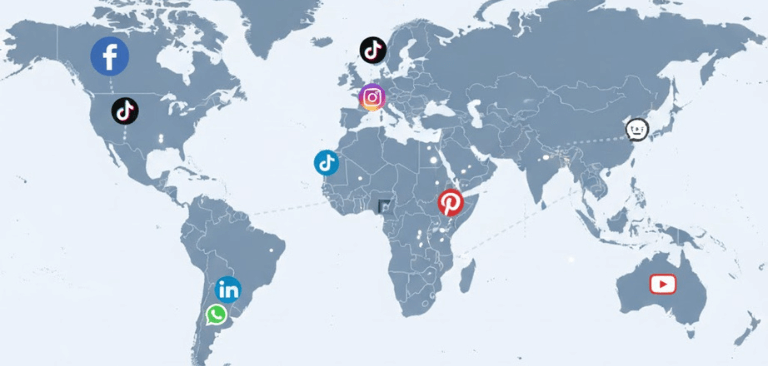
Many businesses make the mistake of using the same social media strategy for all markets and countries. What works for one audience may not work for another. Cultural differences, language, and local trends all affect how people respond to content. Understanding your audience is key to getting engagement and leads.
For example, a short, fun video may perform well on Instagram in Europe, but the same content may not get traction on LinkedIn in the USA. Even small differences, like posting time or preferred content type, can make a big difference. Adapting your strategy for each platform and region is essential.
It’s also important to test and learn. Not every post will perform the same way, and tracking results helps you understand what works for your audience. By analyzing metrics like shares, comments, and click-through rates, you can adjust your approach and improve outcomes steadily.
In short, a flexible, audience-focused social media strategy is more effective than a one-size-fits-all approach. Businesses that adapt their content to different markets tend to see higher engagement and more meaningful leads.
Choosing the Right Social Media Platform
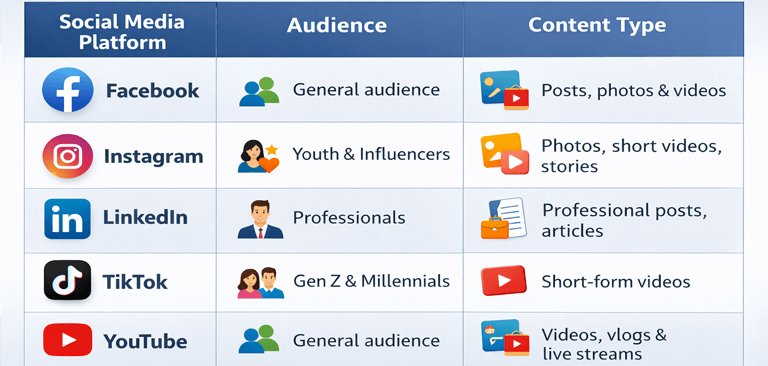
Choosing the right social media platform is a crucial step for any business. Not every platform will bring the same results, and using the wrong one can waste time and effort. The key is to focus on platforms where your audience is most active and likely to engage with your content.
For example, B2B companies often find LinkedIn more effective for generating professional leads, while Instagram or TikTok may work better for brands targeting younger consumers. Facebook remains strong for a wide audience, and YouTube is ideal for video content that educates or entertains. Knowing where your audience spends their time helps you reach them efficiently.
It’s also important to consider your content style. If your strength is creating short, engaging videos, platforms like Instagram Reels, TikTok, or YouTube Shorts can deliver better results than static posts on Facebook or LinkedIn. Matching your content to the platform maximizes engagement and helps convert interactions into leads.
Don’t be afraid to test multiple platforms on a small scale before committing fully. Track performance, measure engagement, and focus on the channels that give the best return. This way, your social media strategy is guided by data, not guesswork.
Different Industries Need Different Social Media Plans
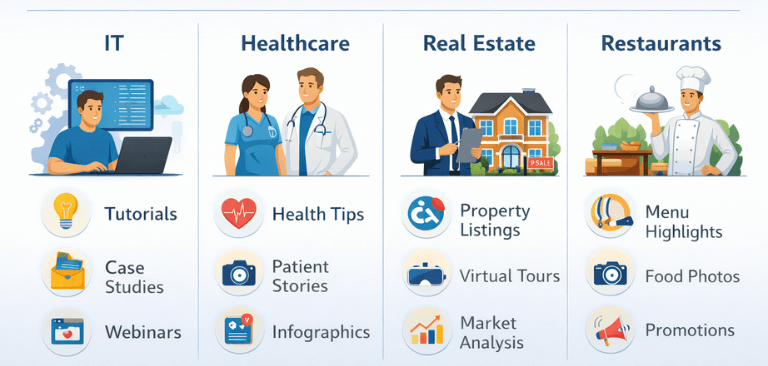
Not all industries can use the same social media approach. Each sector has unique audiences, goals, and content preferences. A strategy that works for an IT company may not work for a restaurant, and vice versa. Understanding the specific needs of your industry is essential for building engagement and generating leads.
For example, a real estate business may benefit from virtual tours, property photos, and client testimonials on Facebook and Instagram. Meanwhile, a legal firm might focus on LinkedIn posts that share advice, case studies, and industry news to attract professional clients. Tailoring content to your industry helps build trust with your audience.
Even within the same industry, businesses should experiment with content formats. A medical clinic could share short educational videos about health tips, while another might post patient success stories. Testing different approaches allows you to find what resonates best with your audience.
In short, a well-planned, industry-specific social media strategy improves engagement, builds credibility, and increases the chance of generating leads. Understanding your audience and the type of content they value is key to long-term success.
Social Media Trends That Will Work in 2026
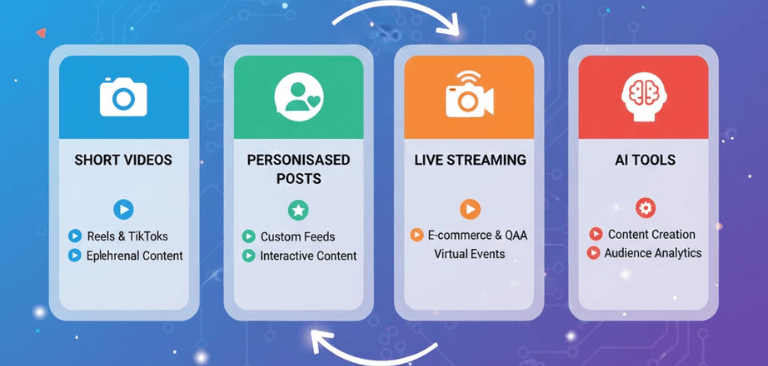
Social media is always changing, and staying updated with trends can help your business stay ahead. In 2026, certain trends are likely to drive engagement and generate leads more effectively. Understanding these trends helps you plan content that resonates with your audience.
One key trend is short-form video content. Platforms like TikTok, Instagram Reels, and YouTube Shorts continue to grow in popularity. Businesses that create short, engaging videos can capture attention quickly and encourage shares and interactions.
Another trend is personalised content. Audiences respond better when content speaks directly to their interests and needs. Using insights from analytics to tailor posts can increase engagement and build stronger connections with potential customers.
Live streaming and interactive content are also gaining traction. Q&A sessions, live product demonstrations, and polls encourage real-time engagement and make followers feel involved. Additionally, businesses using social media for lead generation are exploring AI tools to improve targeting and engagement.
How to Increase Engagement Step by Step
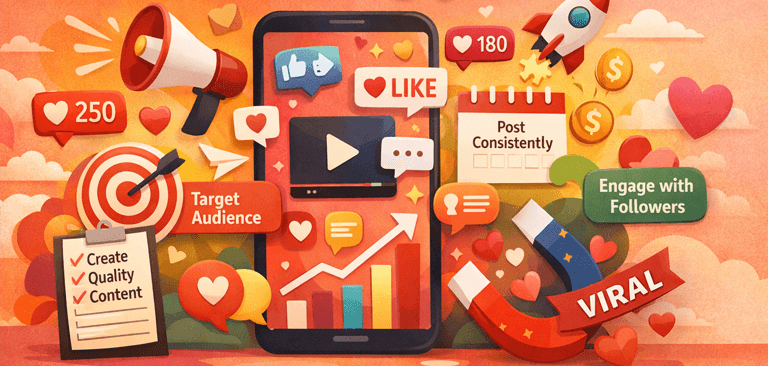
Increasing engagement on social media does not have to be complicated. By following clear steps, businesses can start getting more likes, comments, and shares. The goal is to create content that your audience finds valuable and wants to interact with.
Step 1: Know Your Audience
Understand who your followers are, what they like, and when they are active. Use polls, surveys, or analytics tools to learn their preferences. The better you know your audience, the easier it is to create content that resonates.
Step 2: Post Consistently
Regular posting helps your audience stay engaged and keeps your brand visible. Create a content calendar to plan posts in advance. Consistency builds trust and encourages followers to return to your page.
Step 3: Use Engaging Content Formats
Mix images, short videos, infographics, and interactive posts like polls or quizzes. Visual content and videos usually attract more attention than text alone. For example, a short tutorial video can get more shares than a written post.
Step 4: Respond to Your Audience
Reply to comments, messages, and mentions quickly. Engagement is a two-way street; showing that you care about your followers encourages them to interact more.
Step 5: Analyze and Adjust
Track performance regularly. See which posts get the most engagement and replicate their success. Learning from your data allows you to refine your social media strategy step by step.
Turning Engagement into Quality Leads
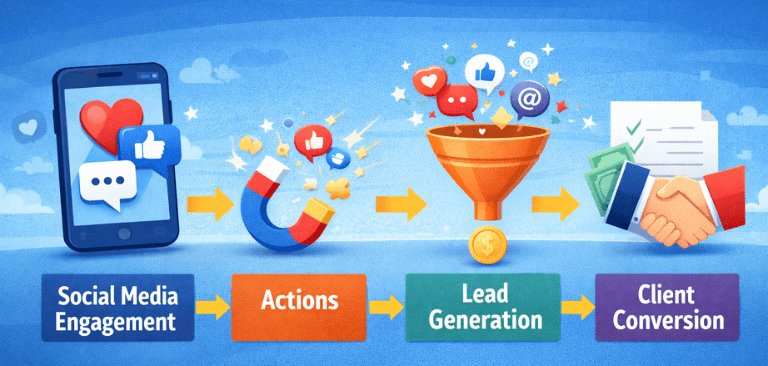
Getting likes, comments, and shares is important, but the ultimate goal is to convert that engagement into real business opportunities. Without a clear plan, engagement may remain just numbers on a screen. Turning interactions into quality leads requires strategy and careful follow-up.
The first step is to guide your audience toward an action. For example, encourage them to visit your website, sign up for a newsletter, or download a helpful resource. Every post should have a purpose that connects engagement with your business goals.
Next, respond promptly to inquiries or messages. A potential customer who comments or sends a direct message is already interested. Quick, helpful responses can turn curiosity into a serious lead. Tracking these interactions ensures no opportunity is lost.
Finally, nurture leads over time. Use email follow-ups, retargeting ads, or personalized content to maintain interest. Even small, consistent efforts can turn social media followers into long-term clients, proving that engagement truly matters for business growth.
Social Media Solutions for Every Business Size
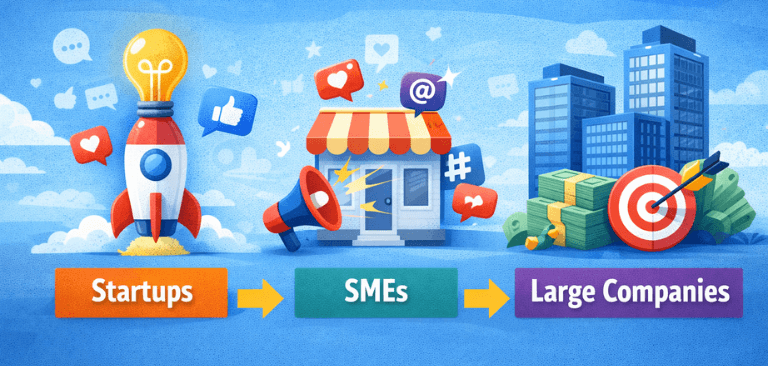
Social media strategies are not one-size-fits-all. Startups, small-to-medium enterprises (SMEs), and large companies all face different challenges and opportunities. Understanding your business size helps you choose the right approach and get the best results.
Startups: Limited resources mean it’s important to focus on a few platforms where your target audience is most active. Short, engaging posts and videos can create awareness quickly without overwhelming your team.
SMEs: Medium-sized businesses can invest in more diverse content formats like infographics, blogs, and email campaigns. Scheduling tools and analytics can help manage multiple platforms efficiently, ensuring consistent engagement.
Large Companies: Big businesses often have dedicated marketing teams. They can run advanced campaigns, including paid ads, retargeting, and global social marketing. Coordinated strategies across multiple platforms help maintain brand consistency and reach a wider audience.
Regardless of business size, the principle is the same: focus on understanding your audience, creating valuable content, and following up on engagement. Even small improvements can lead to significant growth in social media leads over time.

Why Companies Choose Moon Technologies
When businesses look for support in social media marketing, trust is the first factor they consider. Many companies choose Moon Technologies because they want clear processes, honest communication, and strategies that are based on data, not guesses. This approach helps businesses feel confident about their social media direction.
Another reason companies work with Moon Technologies is the focus on understanding the business first. Every company has different goals, industries, and audiences. Instead of using the same plan for everyone, strategies are shaped around real business needs and market behaviour. This leads to better engagement and more relevant social media leads.
Companies also value consistency and clarity. Social media growth does not happen overnight, and Moon Technologies follows a structured approach that focuses on steady improvement. From analysing low engagement problems to applying practical solutions, the focus stays on long-term results rather than quick fixes.
For many businesses, choosing the right partner means choosing someone who explains things clearly and works step by step. This builds confidence, reduces confusion, and helps companies understand how social media marketing 2026 can support real business growth.

Conclusion: It’s Time to Fix Your Social Media Performance
Social media doesn’t have to be confusing or overwhelming. By understanding why engagement is low, choosing the right platforms, and creating content that resonates with your audience, businesses can start seeing real results. You’ve learned how different industries, strategies, and trends influence success in 2026, and how engagement can turn into quality leads.
Remember, small, consistent steps matter. Knowing your audience, posting regularly, responding to interactions, and analyzing results can gradually build social media growth. Even simple changes in your approach can lead to more engagement and better lead generation.
If you want to explore solutions or get guidance for your business, consider connecting with experts who understand social media for companies. Applying these principles thoughtfully can help your business grow steadily and confidently.
Take action today—start analyzing your engagement, plan your content, and watch how social media marketing 2026 can open new opportunities for your business. Small improvements now can lead to big results in the future.